
Buffett distances himself from growing Gates-Epstein scandal
Bill Gates's scandalous ties to pedophile Jeffrey Epstein have propelled a wave of defections, as long-time supporters like Warren Buffett distance themselves from the embattled billionaire.

The US-Israeli attack on Iran has been good for the billionaire class—because it has compelled journalists to shift their focus away from the Epstein files. Donald Trump is probably the biggest beneficiary, but Bill Gates is a close second.
Still-surfacing revelations about Gates’s hard-to-explain ties to the sexual predator have presented a major PR crisis for the philanthropist, who has built his humanitarian brand around empowering girls and helping the poor.
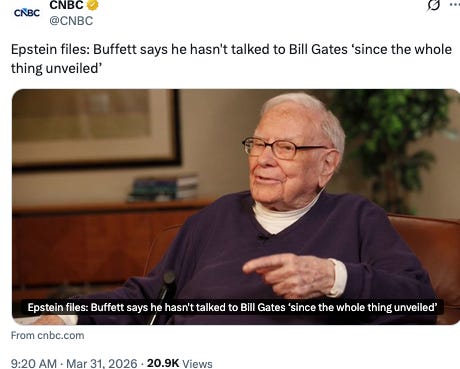
The Iran headlines have only given Gates a partial reprieve from scrutiny, however, as news outlets have continued to raise questions about his years-long relationship with Epstein. Earlier this week, the most important outside supporter of Bill Gates’s philanthropic career, investor Warren Buffett, went on CNBC to distance himself from the Gates Foundation, saying he was putting a pause of his yearly multi-billion-dollar donations to the philanthropy because of its ties to Epstein.1
“There was a lot I didn’t know,” Buffett said. “I’ll wait and see what unfolds [before giving more money.]”
This isn’t the only public hit that Gates has taken in recent weeks. The Guardian published an op-ed from an academic expert on human trafficking who criticized Gates over his empty apologies on Epstein.
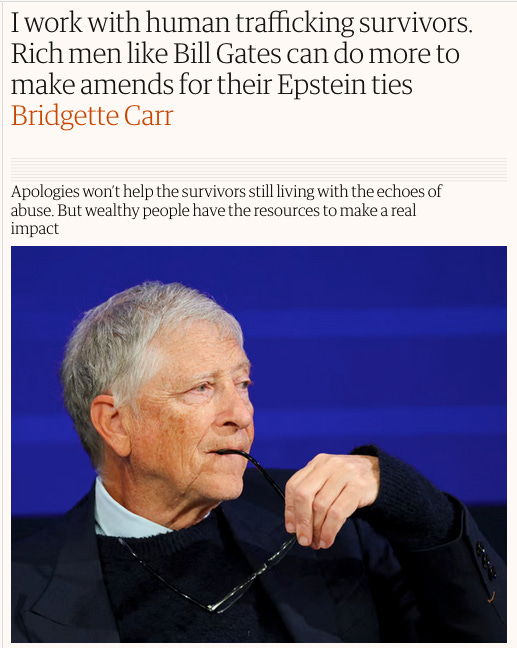
Bridgette Carr, a law professor at the University of Michigan, criticized Gates for following a “depressingly predictable script” with “carefully lawyered statements” about Epstein, issuing denials that he saw or did anything wrong—essentially excusing himself from culpability. Gates should put his money where his mouth is, Carr argued, covering some of the legal costs for Epstein’s many victims.
(In my own critiques of Gates’s bogus apologies about Epstein, which you can read here and here, I called for Gates to face far more severe consequences: removal from the Gates Foundation. The Guardian, which takes funding from the Gates Foundation, rejected an op-ed I pitched making this argument.)
In a third negative headline for Gates, the Seattle Times—also funded by the Gates Foundation—recently profiled strife among employees of a nuclear startup company Gates leads called TerraPower. In the same way that Gates Foundation insiders are outraged over Epstein, as I reported last month, it is not surprising to learn that TerraPower staff are also questioning whether they want to work for a guy who spent years hanging out with Epstein—at the time a registered sex offender who previously served time in prison for a crime involving a minor.
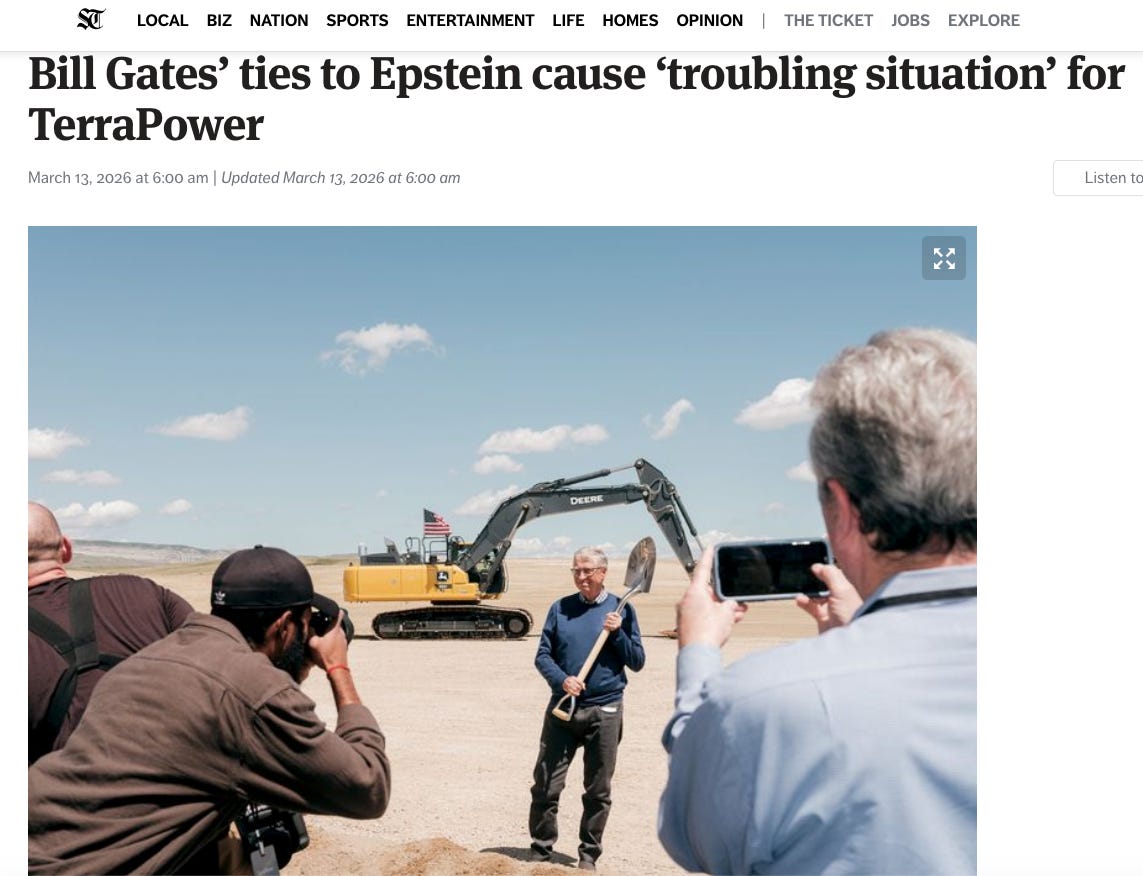
A week after the Seattle Times story, Politico presented TerraPower’s CEO as downplaying employee concerns about Epstein, saying staff were too “focused on our mission” to worry about Epstein.
That seems like wishful thinking to me. Many, if not most, people who work for and partner with Bill Gates do so because they believe in his mission-driven leadership—whether it is his crusading promise to fight climate change with nuclear energy at TerraPower or his humanitarian rhetoric about empowering women through his work at the Gates Foundation. Given the alarming contradictions that have emerged in Gates’s account of his relationship with Epstein, alongside the other allegations of misconduct he faces toward female subordinates, it is difficult to see how Gates can continue to recruit and maintain high-quality staff—or lead any organization.
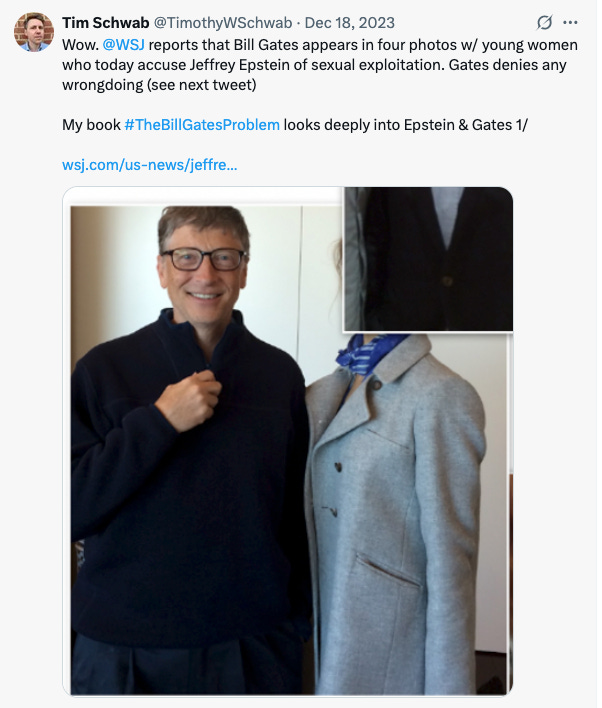
Years ago, Microsoft shareholders approved a resolution to investigate the company’s sexual harassment policies, prominently citing “reports of Bill Gates’ inappropriate relationships and sexual advances towards Microsoft employees.” The resolution raised questions about whether the company suffered from a “culture of systemic sexual harassment” —and if this culture was “putting at risk the company’s ability to attract and retain talent.” (Gates stepped down—or was forced off—Microsoft’s board in 2020). Why aren’t TerraPower and the Gates Foundation reckoning with these same issues?
The answer can be found in this passage from the recent Seattle Times story:
[TerraPower CEO] Chris Levesque told TerraPower employees Thursday that the company’s board was monitoring the news but that, as he sees it, there’s been no evidence of wrongdoing yet. “Some of the news is troubling, but again there’s no evidence of any wrongdoing,” Levesque said. “This is stuff that we’ll continue to work through with our board.”
What the Seattle Times fails to report is that the TerraPower board of directors is chaired by Bill Gates—and vice-chaired by another individual embroiled in the Epstein scandal, Nathan Myhrvold. That creates an obvious conflict of interest in governance, one that seems guaranteed to prioritize the interests of TerraPower’s leaders over the victims of Jeffrey Epstein. (TerraPower did not respond to my press inquiry.)
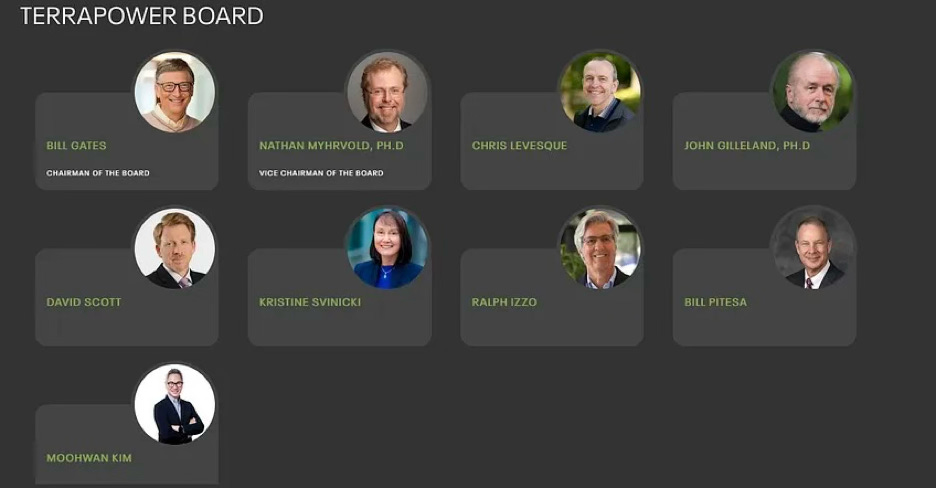
Similar power dynamics are at play at the Gates Foundation, where Bill Gates leads the board of trustees—and the board has done nothing to hold him accountable over the Epstein scandal. (The Gates Foundation has refused to respond to multiple press inquiries about Epstein.)
The Epstein scandal, nevertheless, tests the limits of Gates’s financial power. The $200 billion Gates controls, through his private foundation and private wealth, allow him to win over, silence, or soften many of his would-be critics. But there also must be a point at which his behavior is deemed too questionable or too shameful, where people stop taking his money and stop giving him the benefit of the doubt.
Epstein brings Gates as close as he has come to real accountability since the Microsoft-DOJ antitrust trials from the late 1990s, which gravely tarnished his reputation, exposing him as a narcissist and monopolist. Gates bounced back from that PR crisis through philanthropy, becoming one of the most admired people on Earth. Now the pendulum is swinging back, as the Epstein files force us to see that Gates’s ‘selfless humanitarian’ brand is more PR than substance.
As the famous Maya Angelou quote reads: When someone shows you who they are, believe them the first time.
This follows Buffett’s curt announcement last year that the Gates Foundation would not receive any money from his estate following his death, a move that will likely deprive the philanthropy of upwards of $100 billion it was counting on receiving in the years ahead.